
Adolescent pregnancy
5/5 – (1 vote) Key facts About 16 million girls aged 15 to 19 and some 1 million girls under 15 give birth every year—most in low- and middle-income countries. Complications during pregnancy and childbirth are the second cause of death for 15-19 year-old girls globally. Every year, some 3 million girls aged 15 to […]
Key facts
- About 16 million girls aged 15 to 19 and some 1 million girls under 15 give birth every year—most in low- and middle-income countries.
- Complications during pregnancy and childbirth are the second cause of death for 15-19 year-old girls globally.
- Every year, some 3 million girls aged 15 to 19 undergo unsafe abortions.
- Babies born to adolescent mothers face a substantially higher risk of dying than those born to women aged 20 to 24.
Birth rates
There has been a marked, although uneven, decrease in the birth rates among adolescent girls since 1990, but some 11% of all births worldwide are still to girls aged 15 to 19 years old. The vast majority of these births (95%) occur in low- and middle-income countries.
The 2014 World Health Statistics indicate that the average global birth rate among 15 to 19 year olds is 49 per 1000 girls. Country rates range from 1 to 299 births per 1000 girls, with the highest rates in sub-Saharan Africa.
Adolescent pregnancy remains a major contributor to maternal and child mortality, and to the cycle of ill-health and poverty.
Contexts
For some adolescents, pregnancy and childbirth are planned and wanted, but for many they are not. Adolescent pregnancies are more likely in poor, uneducated and rural communities. In some countries, becoming pregnant outside marriage is not uncommon. By contrast, some girls may face social pressure to marry and, once married, to have children. More than 30% of girls in low- and middle-income countries marry before they are 18; around 14% before they are 15.
Some girls do not know how to avoid getting pregnant: sex education is lacking in many countries. They may feel too inhibited or ashamed to seek contraception services; contraceptives may be too expensive or not widely or legally available. Even when contraceptives are widely available, sexually active adolescent girls are less likely to use them than adults. Girls may be unable to refuse unwanted sex or resist coerced sex, which tends to be unprotected.
Health effects
Pregnancy and childbirth complications are the second cause of death among 15 to 19 year olds globally. However, there have been significant drops in the number of deaths in all regions since 2000, most notably in South-East Asia where mortality rates fell from 21 to 9 per 100 000 girls. Some 3 million unsafe abortions among girls aged 15 to 19 take place each year, contributing to maternal deaths and to lasting health problems.
Early childbearing increases the risks for both mothers and their newborns. In low- and middle-income countries, babies born to mothers under 20 years of age face a 50% higher risk of being still born or dying in the first few weeks versus those born to mothers aged 20-29. The younger the mother, the greater the risk to the baby. Newborns born to adolescent mothers are also more likely to have low birth weight, with the risk of long-term effects.
Economic and social consequences
Adolescent pregnancy can also have negative social and economic effects on girls, their families and communities. Many girls who become pregnant have to drop out of school. A girl with little or no education has fewer skills and opportunities to find a job. This can also have an economic cost with a country losing out on the annual income a young woman would have earned over her lifetime, if she had not had an early pregnancy.






30+ thực đơn cho bé 2 tuổi ăn ngon hỗ trợ tăng cân đều
Thực đơn cho bé 2 tuổi luôn là nỗi băn khoăn lớn của nhiều bố mẹ khi bé biếng ăn, chậm tăng cân dù đã cố gắng đổi món mỗi ngày. Tình trạng này kéo dài không chỉ ảnh hưởng đến thể chất mà còn khiến cha mẹ lo lắng, áp lực trong mỗi bữa […]
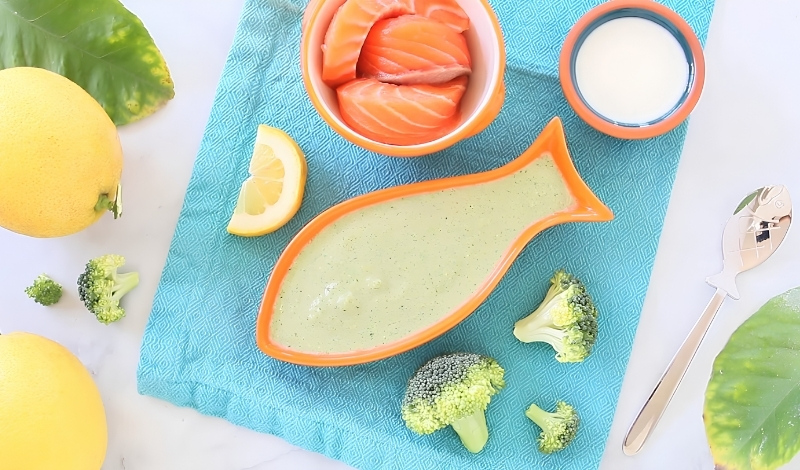
18+ Cách nấu cháo cá hồi cho bé với rau củ bổ dưỡng và dễ ăn
Cách nấu cháo cá hồi cho bé đang khiến nhiều mẹ đau đầu vì bé dễ chán ăn, thậm chí sợ mùi tanh của cá. Nếu chế biến sai cách, món cháo không chỉ kém hấp dẫn mà còn làm mất đi giá trị dinh dưỡng quan trọng. Trong bài viết này, Nutricare sẽ chia […]

15+ Cách nấu cháo thịt bò cho bé ăn dặm giàu dinh dưỡng
Cháo thịt bò là món ăn dặm giàu dinh dưỡng, giúp bé dễ ăn, hấp thu tốt protein và sắt cần thiết cho sự phát triển. Để biết cách nấu cháo thịt bò cho bé thơm ngon, mềm mịn, ba mẹ có thể tham khảo hướng dẫn chi tiết trong bài viết. Trong bài viết […]

Cách nấu cháo cho bé 7 tháng tuổi đủ chất, dễ tiêu hóa
Bước sang giai đoạn ăn dặm, bé 7 tháng cần được xây dựng chế độ dinh dưỡng hợp lý để hỗ trợ tiêu hóa và phát triển toàn diện. Việc áp dụng đúng cách nấu cháo cho bé 7 tháng giúp trẻ dễ hấp thu dưỡng chất, ăn ngon miệng và tăng cân ổn định. […]

10 Thực đơn cho trẻ 1 tuổi của viện dinh dưỡng giúp tăng cân
Thực đơn cho trẻ 1 tuổi của Viện Dinh dưỡng là nguồn tham khảo được nhiều cha mẹ tin tưởng khi xây dựng chế độ ăn khoa học cho bé. Ở độ tuổi này, trẻ cần được cung cấp đầy đủ năng lượng và vi chất để hỗ trợ phát triển thể chất, trí não […]

Bữa sáng dinh dưỡng cho trẻ tiểu học: Chìa khóa vàng giúp con tăng trưởng mỗi ngày
Bữa sáng dinh dưỡng cho trẻ tiểu học là nền tảng quan trọng giúp con có đủ năng lượng và dưỡng chất cho một ngày học tập năng động. Một bữa sáng cân bằng không chỉ giúp trẻ tập trung tốt hơn mà còn hỗ trợ phát triển chiều cao, trí não và tăng cường […]

Bí quyết dinh dưỡng cho trẻ 3 tuổi giúp trẻ tăng cân, cao lớn khỏe mạnh
Dinh dưỡng cho trẻ 3 tuổi đóng vai trò quan trọng trong giai đoạn phát triển mạnh về chiều cao, cân nặng và trí não. Tuy nhiên, nhiều ba mẹ vẫn băn khoăn “Con ăn ít quá, làm sao để con tăng cân?” hay chưa biết xây dựng khẩu phần phù hợp cho con. Trong […]
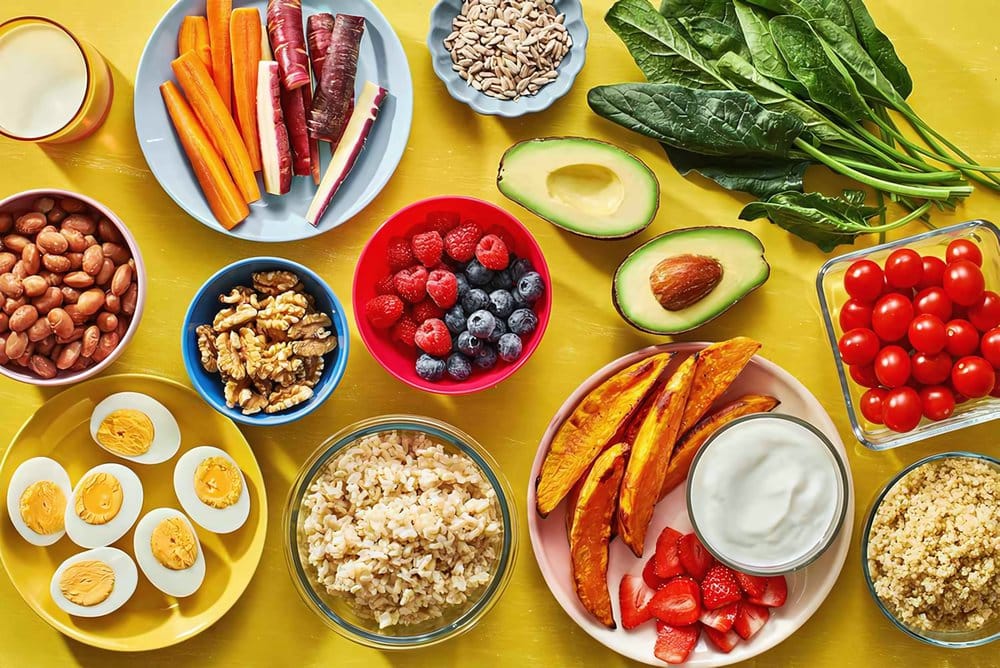
Xây dựng thực đơn dinh dưỡng cho trẻ 9-12 tháng tuổi
Dinh dưỡng cho trẻ 9-12 tháng tuổi đóng vai trò then chốt trong việc hình thành nền tảng phát triển thể chất và trí tuệ sau này. Đây là giai đoạn trẻ bắt đầu làm quen với nhiều loại thực phẩm mới, đồng thời nhu cầu năng lượng tăng cao để hỗ trợ sự tăng […]