Osteoporosis and Bone fractures after age 40: A silent risk that can be prevented early
(SKĐS) – Osteoporosis and bone fractures are increasingly “affecting younger populations” in Vietnam, seriously threatening quality of life and mobility. This highlights that it is an urgent, dangerous, and timely health concern. Osteoporosis and Bone fractures – The “Silent Disease” in Vietnam Osteoporosis is a condition where bone density and quality decrease, making bones fragile […]
(SKĐS) – Osteoporosis and bone fractures are increasingly “affecting younger populations” in Vietnam, seriously threatening quality of life and mobility. This highlights that it is an urgent, dangerous, and timely health concern.
Osteoporosis and Bone fractures – The “Silent Disease” in Vietnam
Osteoporosis is a condition where bone density and quality decrease, making bones fragile and prone to fractures. This issue is no longer limited to the elderly but is rapidly “affecting younger people,” becoming a major public health concern.
In Asia, studies predict that over 50% of global hip fractures due to osteoporosis will occur by 2050. Currently, Vietnam is among the countries experiencing a rapid rise in osteoporosis cases. According to the Osteoporosis Association of Ho Chi Minh City, approximately 3.6 million Vietnamese suffer from osteoporosis, yet many only discover it after a fracture occurs, leading to severe consequences.
Globally, about one-third of women and one-fifth of men over the age of 50 are at risk of fractures due to osteoporosis during their lifetime.

Vietnamese are prone to osteoporosis after age 40
According to the Journal of Clinical Medicine, Hue Central Hospital, experts indicate that the main reason bones weaken after age 40 is due to aging and hormonal changes. Bone resorption begins to outpace bone formation, especially in women entering perimenopause and menopause.
In addition to internal factors, nutritional deficiencies also play a key role. Diets often fail to provide sufficient calcium, while limited sun exposure reduces the body’s ability to synthesize Vitamin D. Notably, even with adequate calcium intake, the body cannot effectively absorb it without enough Vitamin D3.
Finally, a sedentary lifestyle and lack of weight-bearing activity (like walking or resistance training) means bones do not receive the signals needed to maintain density, often resulting in delayed intervention. The good news is that most cases can be prevented or slowed with early intervention through lifestyle changes combined with proper nutritional supplementation.
The role of Glucosamine, Calcium, vitamin D3, and vitamin K2 in preventing osteoporosis and fractures
Supplementing with specific nutrients is crucial for preventing osteoporosis and maintaining joint function.
Glucosamin – Supports joint cartilage and reduces pain
Glucosamine is a natural compound found in joint cartilage and synovial fluid, participating in the synthesis of proteoglycans. It helps cartilage remain elastic and reduces friction during movement.
Several reviews and meta-analyses suggest that glucosamine may help reduce pain and improve function in some patients with osteoarthritis, especially in the sulfate form, though effectiveness varies across studies.
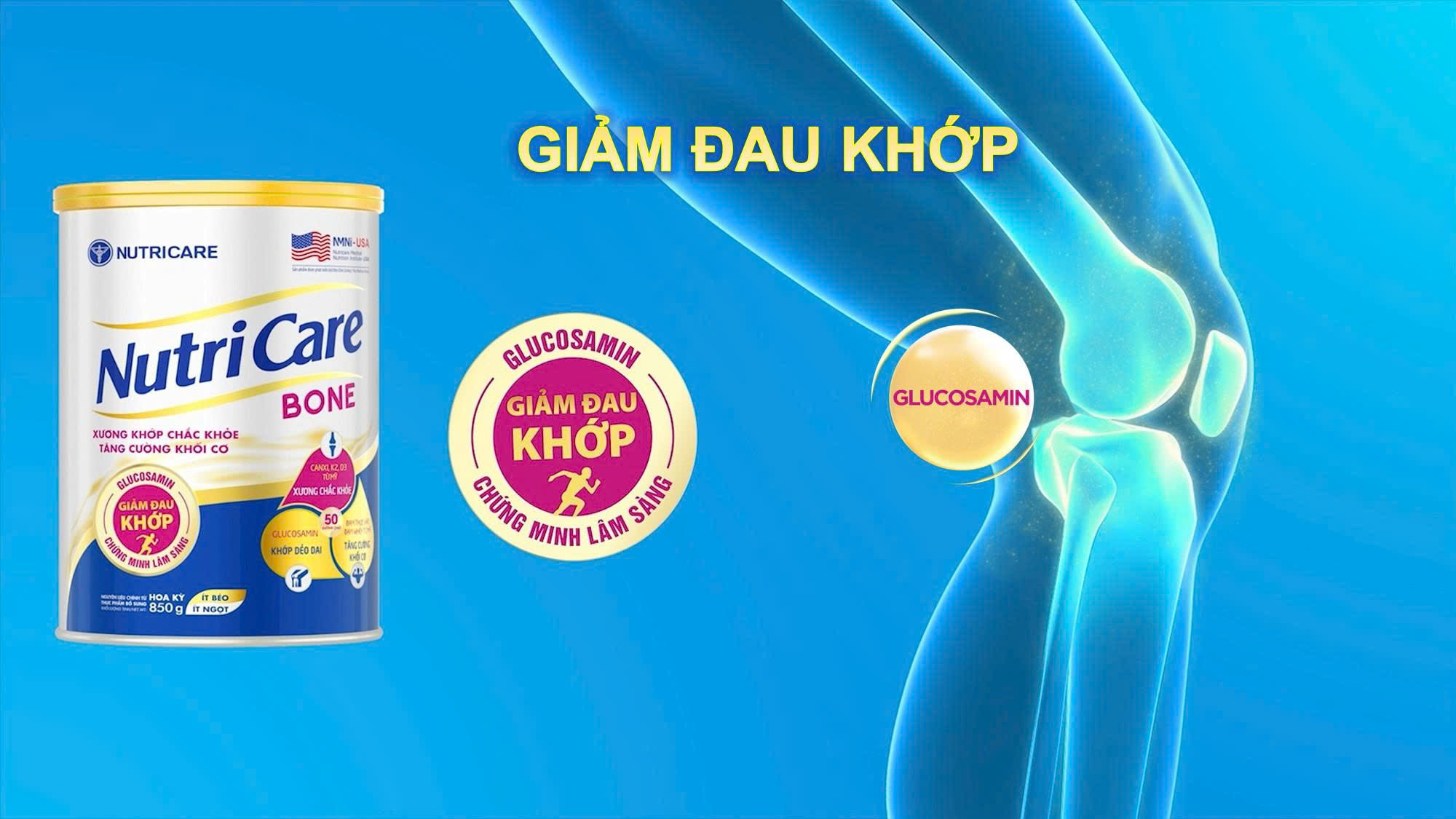 Glucosamine clinically proven to support joint pain relief
For middle-aged and older adults with knee or spine pain, supplementing with glucosamine is not a replacement for medical treatment. However, under professional guidance, it can be part of a supportive strategy to protect joint cartilage, improve joint smoothness, reduce stiffness, and alleviate pain during daily movement.
Calcium and Vitamin D3 – The foundation for bone density
Calcium is the primary nutrient that makes up bone structure. If the diet does not provide enough, the body “pulls” calcium from bones into the bloodstream to maintain essential functions, gradually weakening the bones.
Vitamin D3 is the “key” that helps the intestines absorb calcium more effectively. Without sufficient vitamin D, even a calcium-rich diet cannot prevent bone loss, leading to osteoporosis.
Numerous studies in older adults show that supplementing with calcium and vitamin D at appropriate doses, especially in those who are deficient can help reduce the risk of hip fractures and other osteoporotic fractures.
Vitamin K2 – The “Guide” for proper calcium placement
Vitamin K2 supports the effective absorption and utilization of calcium in the body, directing it to the right places – bones and teeth, while preventing calcium deposits in soft tissues and blood vessels. K2 works by activating proteins such as osteocalcin, which bind calcium to bone, thereby enhancing bone health and density.
When Nutrients “Work hand in hand”
When combined, glucosamine, calcium, and vitamin D3 help build a strong bone framework, while vitamin K2 ensures calcium is properly directed to the bones. Along with a healthy lifestyle, this synergy forms a nutritional foundation that supports strong bones and joints, reducing the risk of osteoporosis and fractures in middle-aged and older adults.
Nutricare Bone dietary supplement (collectively referred to as “Nutricare Bone”) – Nutritional solution for osteoporosis and fracture prevention
Based on scientific evidence of the roles of glucosamine, calcium, vitamin D3, and K2, Nutricare, in collaboration with the Nutricare Medical Nutrition Institute – USA (NMNI-USA), has successfully developed Nutricare Bone. This nutritional solution is designed for adults, particularly those aged 30 and above who are at risk of osteoporosis, experience joint pain, or engage in heavy physical activity or sports.

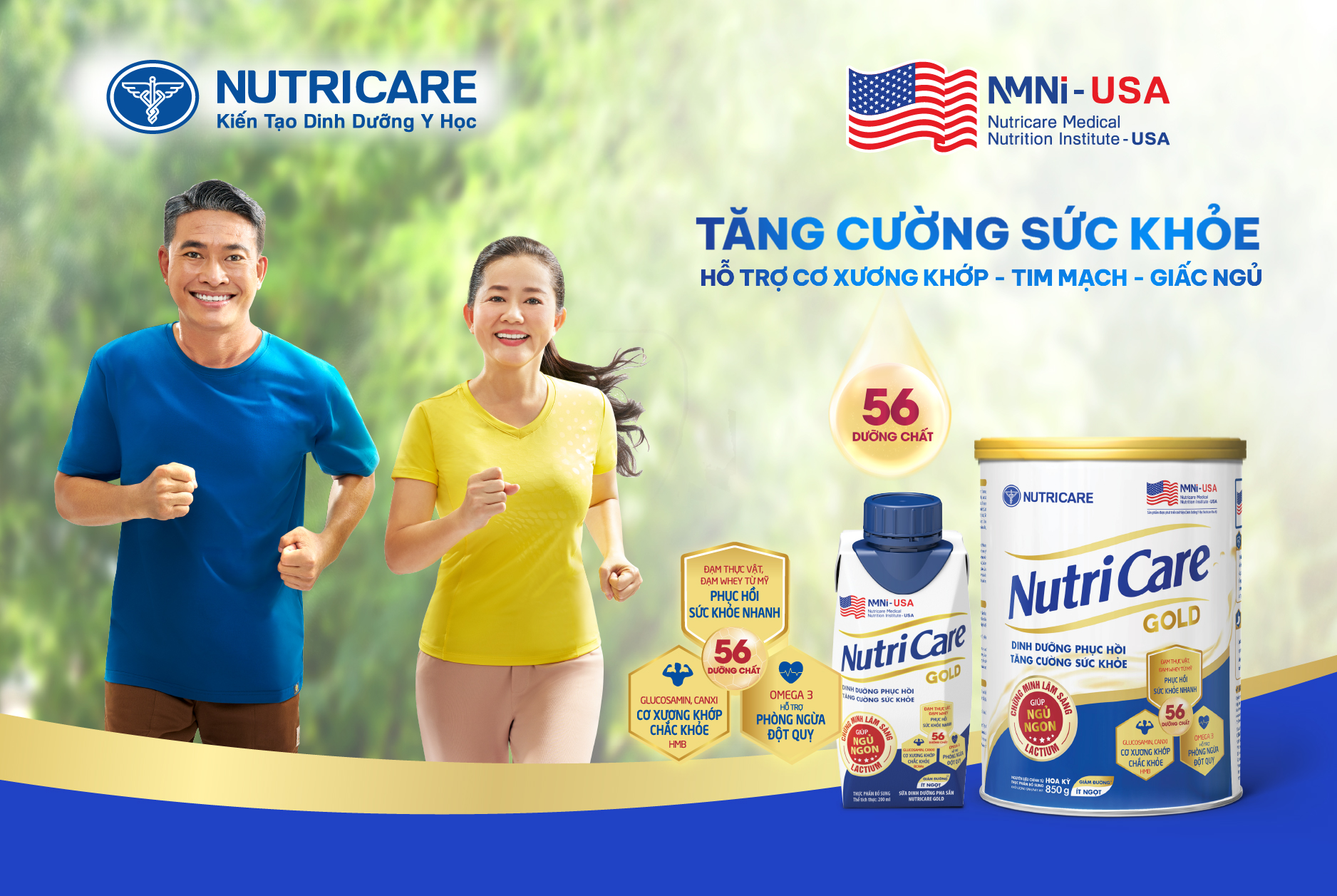
Nutricare Bone contains clinically proven glucosamine to help reduce joint pain. Combined with the trio of calcium, vitamin K2, and vitamin D3, plus 50 additional nutrients, it supports strong bones, healthy joints, and muscle mass. The product is suitable for individuals with osteoporosis, at risk of low bone density, or those engaged in sports and heavy physical activity who need extra support for bone and joint function.
Notably, Nutricare Bone also includes easily absorbed plant protein and whey protein with high biological value, providing essential amino acids that contribute to protein synthesis, muscle building, and regeneration, enhancing mobility.
Users are advised to consult with a doctor or nutrition expert if they have bone or joint conditions, osteoporosis, or are taking medications, to receive guidance on proper dosage and combination.
Nutricare – A 15-year journey of pioneering Medical nutrition
Over 15 years of development with a focus on community health, Nutricare has consistently created high-quality Medical Nutrition solutions that meet the comprehensive health needs of millions of Vietnamese families. To achieve this, Nutricare has strengthened international collaborations, notably a strategic partnership with the Nutricare Medical Nutrition Institute – USA (NMNI-USA), applying U.S. nutritional standards to develop products tailored to the Vietnamese population.
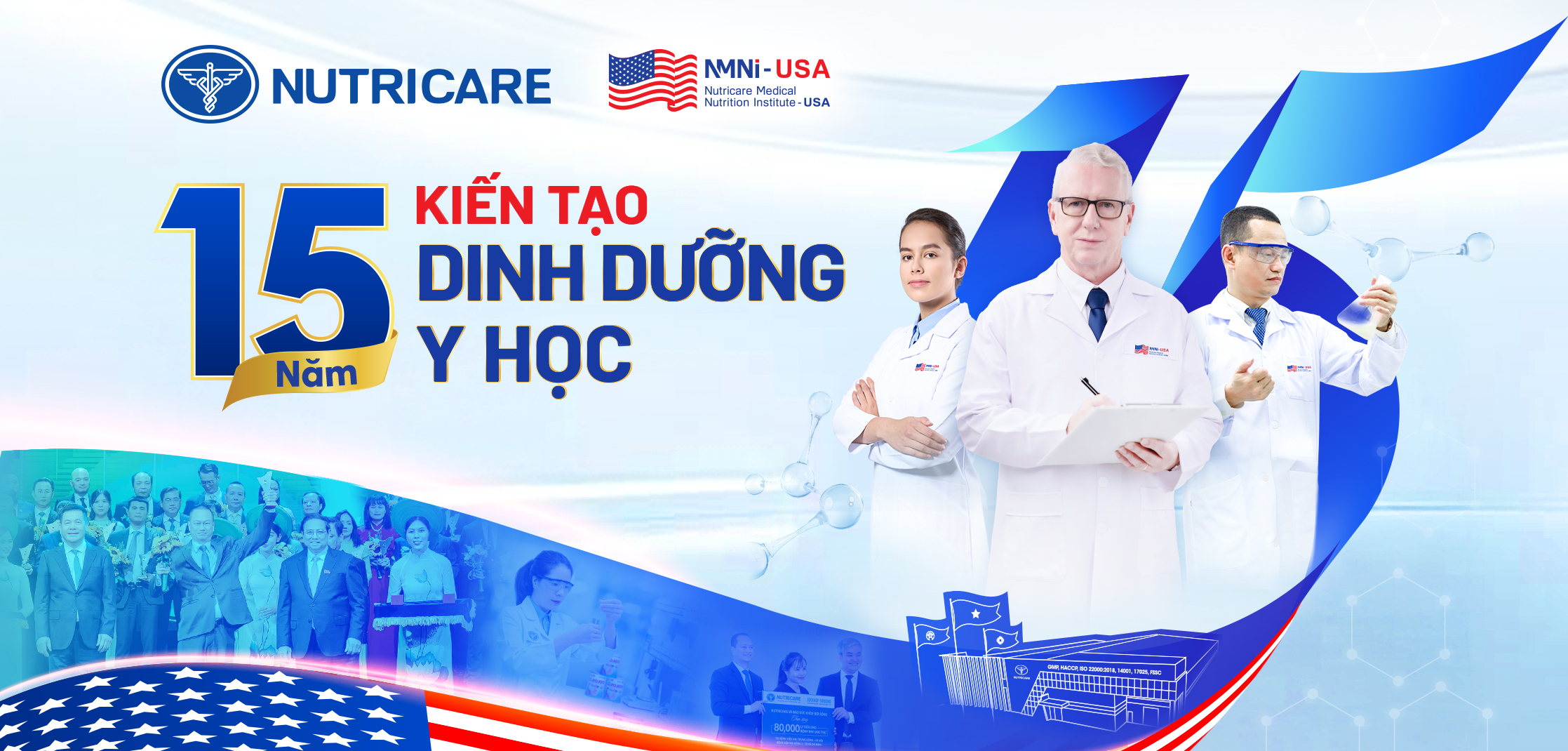
In September 2025, Nutricare was honored as one of four exemplary enterprises awarded the Vietnam National Brand by the Ministry of Industry and Trade, showcased in the “Nation-Building Startups” exhibition commemorating the 80th National Day (2/9). This recognition celebrates Nutricare’s significant contributions to Medical Nutrition and community health care.
At the exhibition, Nutricare Bone was featured as a standout achievement, reflecting Nutricare’s commitment to developing high-quality Medical Nutrition solutions aimed at sustainable health care for the Vietnamese population. With 15 years of established brand credibility, Nutricare pledges to continue innovating, enhancing nutritional quality, and contributing to the creation of a physically healthy and mentally happy Vietnamese community.
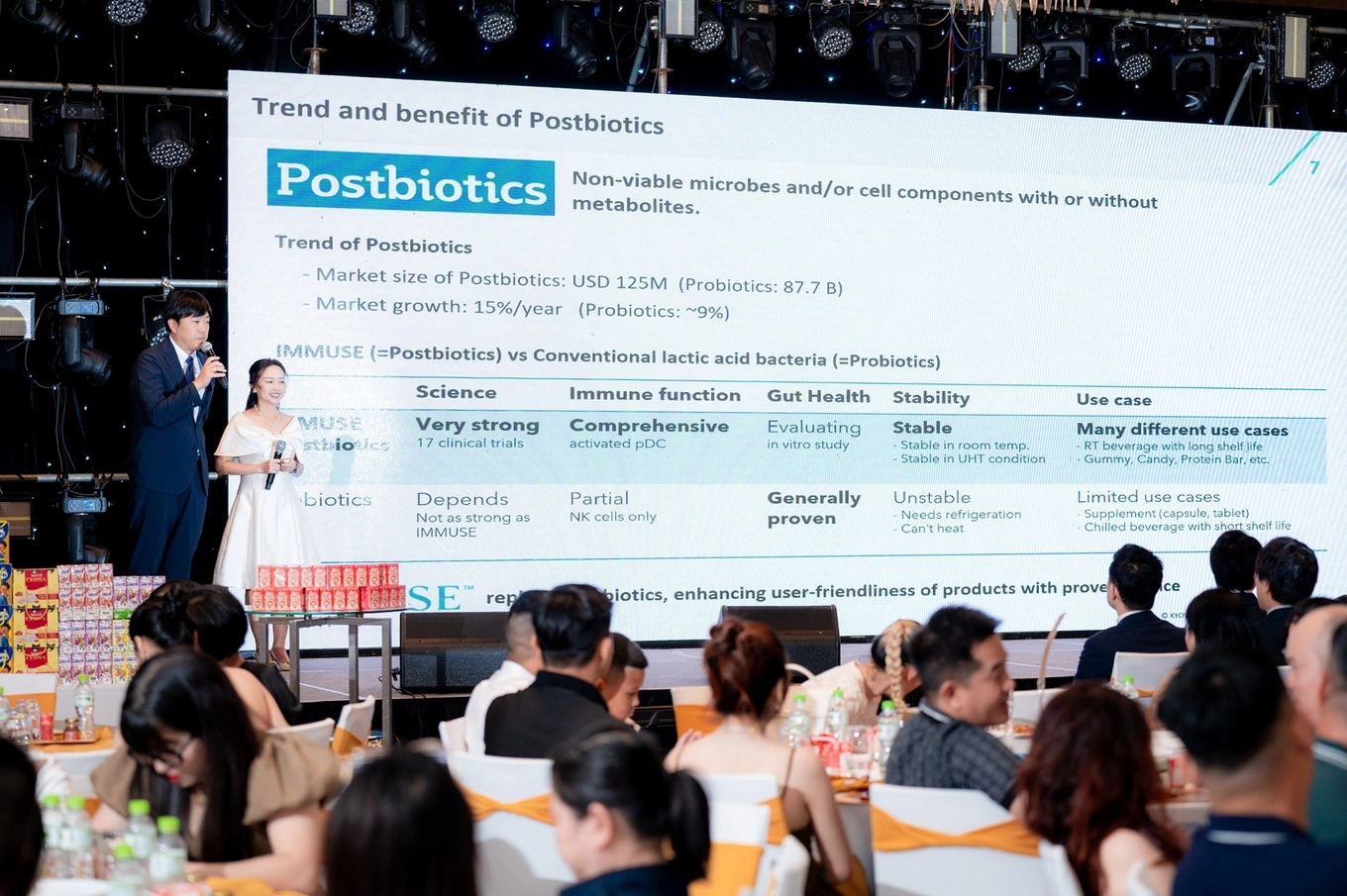


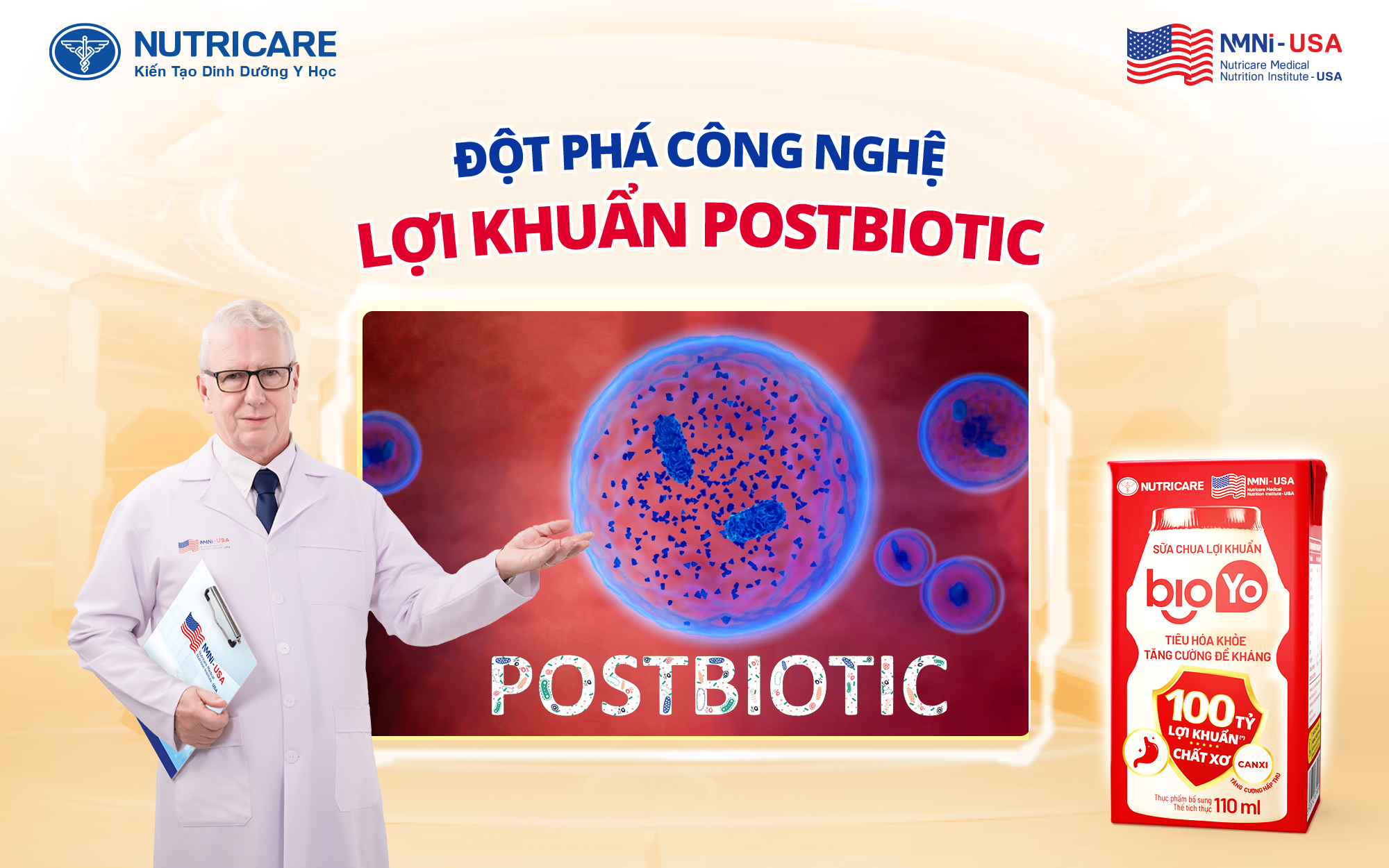
Bioyo Yogurt Drink Uses 100 Billion Postbiotic Cells to Support Healthy Digestion and Strengthen Immunity
(Afamily) – The trend toward proactive healthcare is placing increasing emphasis on protecting gut health and reinforcing the body’s natural immune barrier. Among emerging solutions, the new-generation Postbiotic Lactococcus lactis Plasma (LC-Plasma) is attracting attention for its high stability and effective immune-supporting properties. Applying this technology, Nutricare and the Nutricare Medical Nutrition Institute, USA (NMNI-USA) […]
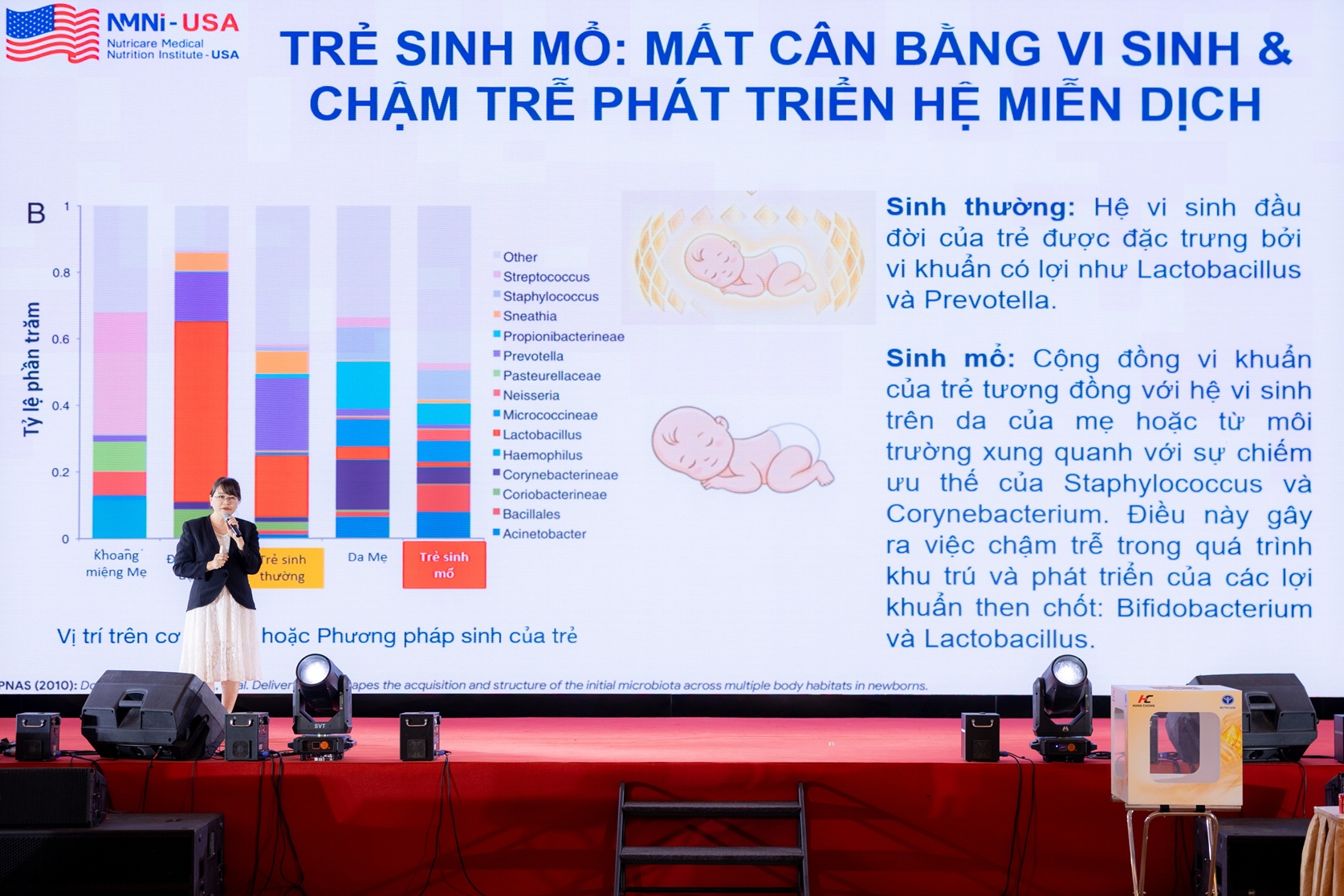
Children born by C-Section: Early-life challenges and nutritional solutions to address deficiencies
(Dan tri) – Regardless of how a child is born, every parent hopes their child will have a healthy start for well-rounded development. For children born by C-section, however, that journey may come with distinct challenges involving digestion and immunity. Therefore, in addition to encouraging breastfeeding, nutrition experts continue to explore and apply research advances […]
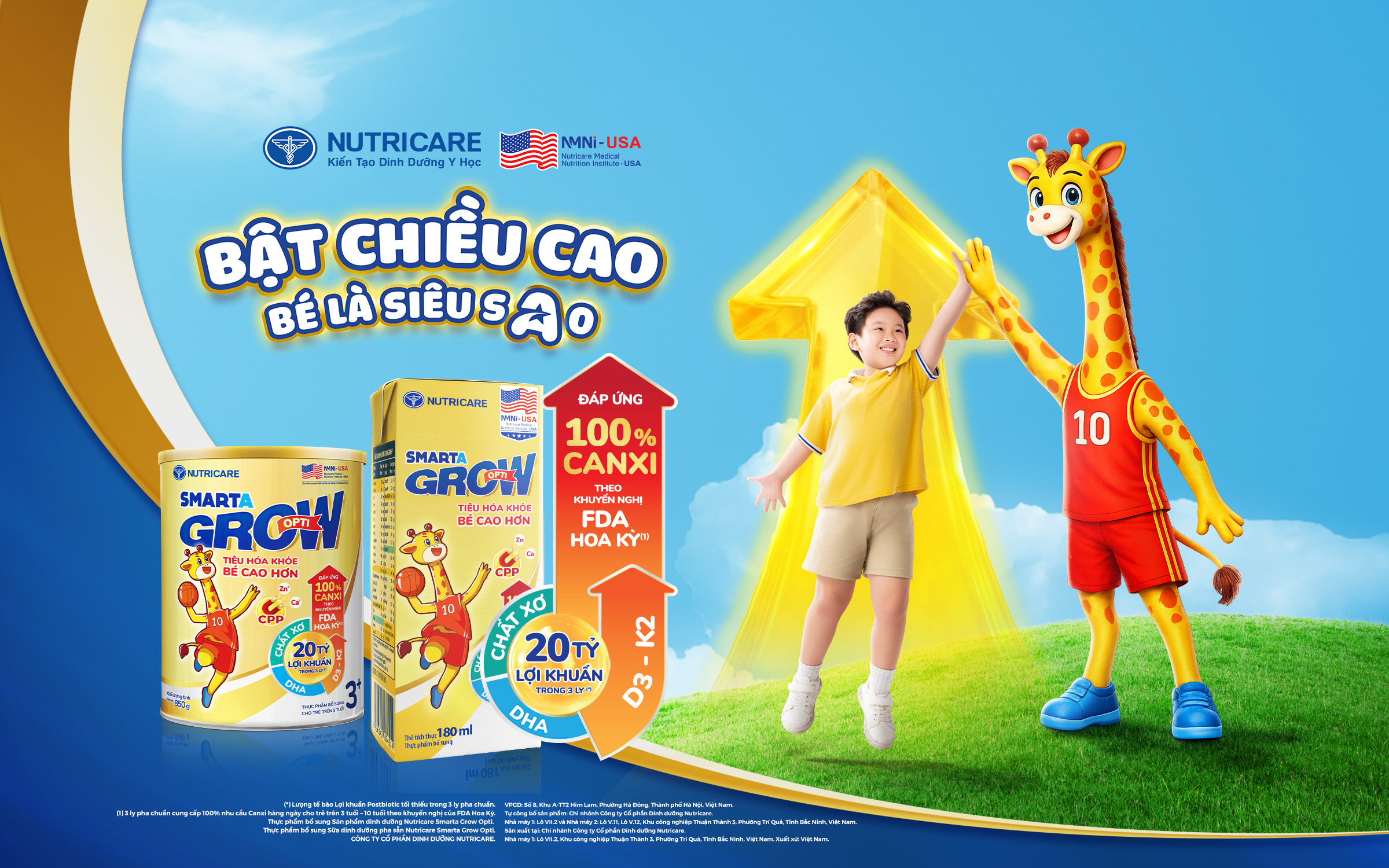
The “Generation 4” era in Smarta Grow Opti: A breakthrough nutrient system that helps boost height and make children “superstars”
(Eva.vn) – Instead of focusing only on providing large amounts of calcium to support children’s height development, modern nutritional science is entering a new stage: optimizing the body’s ability to absorb and use calcium to promote more effective height growth. Applying this trend, the new Nutricare Smarta Grow Opti was developed with a breakthrough “Generation […]
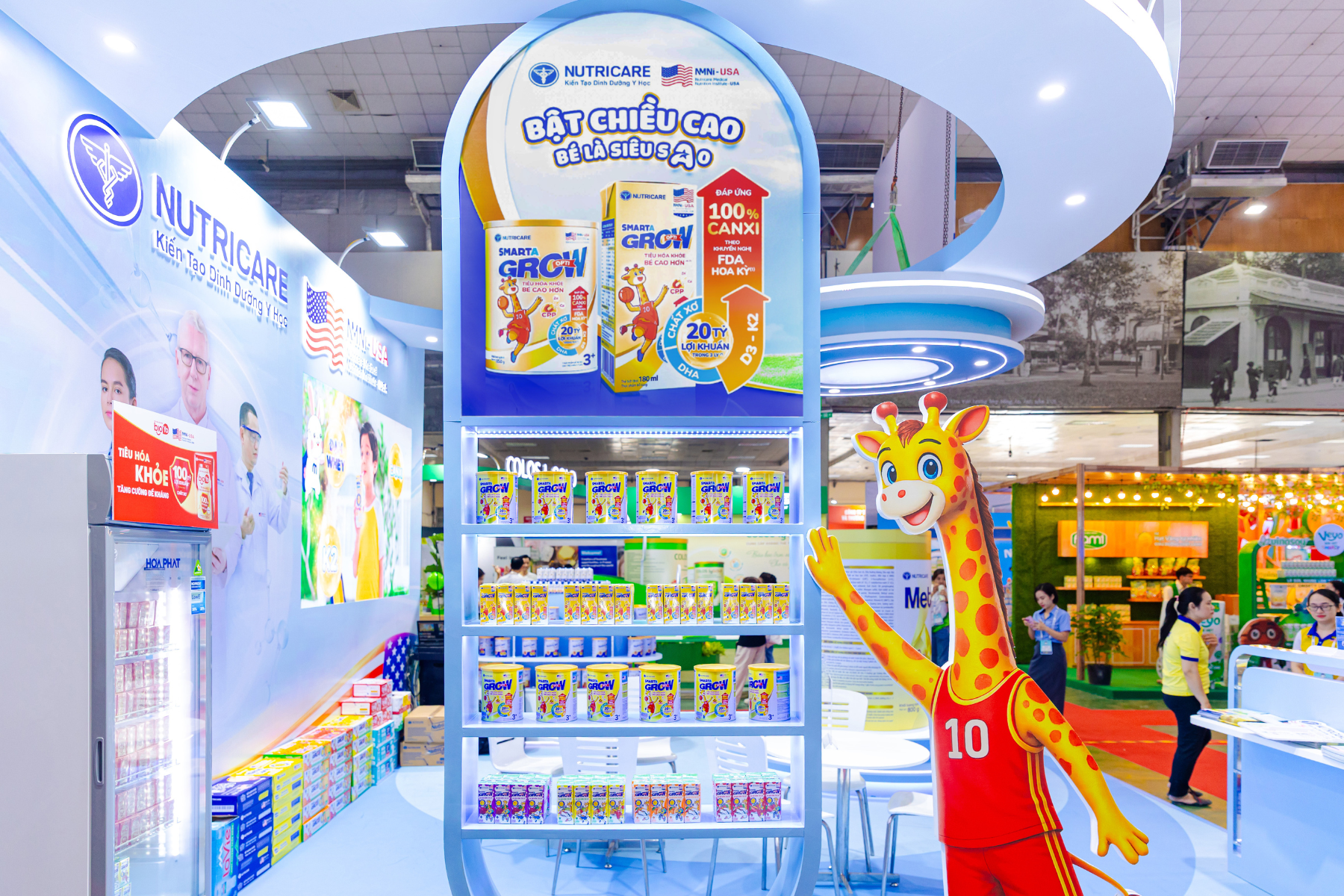
New Nutricare Smarta Grow Opti supports digestion and height development
(Dantri) – The Nutricare Medical Nutrition Institute – USA (N MNI-USA) has launched the new Nutricare Smarta Grow Opti, a product fortified with nutrients that help children grow taller and support a healthy digestive system for optimal nutrient absorption. Increasing children’s height: More than just calcium supplementation According to data from Our World in Data, […]
Say goodbye to short stature – Boost height and make your child a “superstar” with Nutricare Smarta Grow Opti
(Afamily) – According to UNICEF, roughly the first 1,000 days of life are the “golden period” that determines the foundation for a child’s physical growth and future height. This is also when children need a full supply of nutrients to build a foundation for comprehensive, long-term development. A healthy digestive system – An important foundation […]
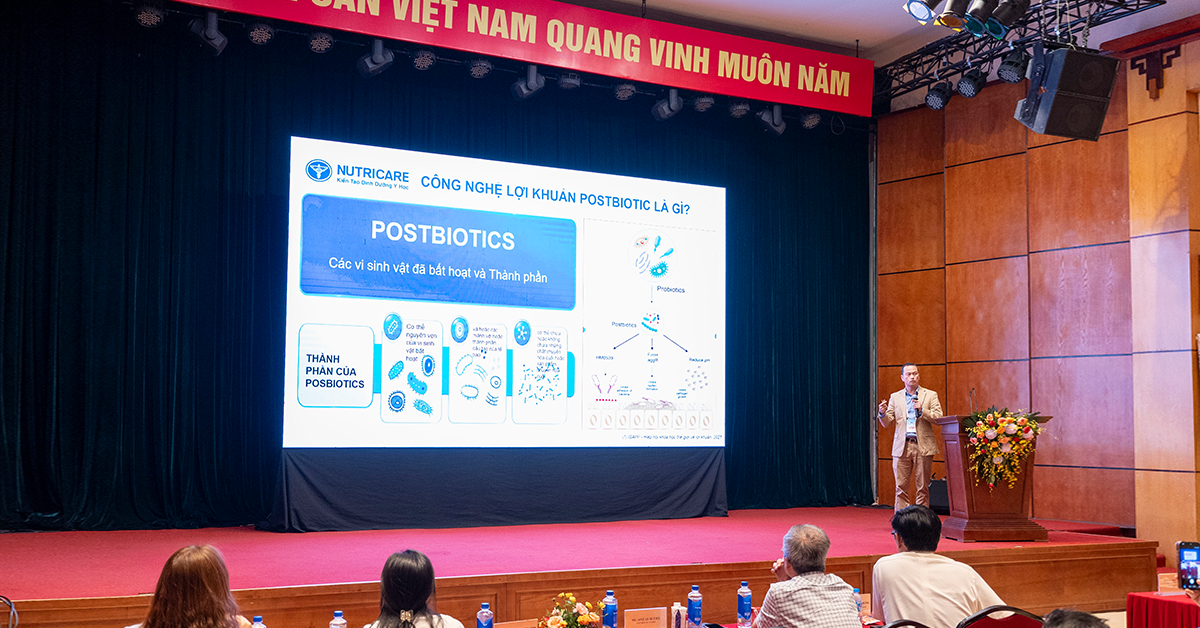
Decoding the power of Lactis Postbiotic in Bioyo with 100 billion beneficial bacteria
(Vietnamnet) – Summer is a time when young children are more susceptible to respiratory and digestive problems. In response, nutritional products applying postbiotic technology are becoming a trend chosen by many parents to support children’s overall health. Postbiotics – A scientific advance that helps strengthen immunity For many years, probiotics (live beneficial bacteria) have been […]

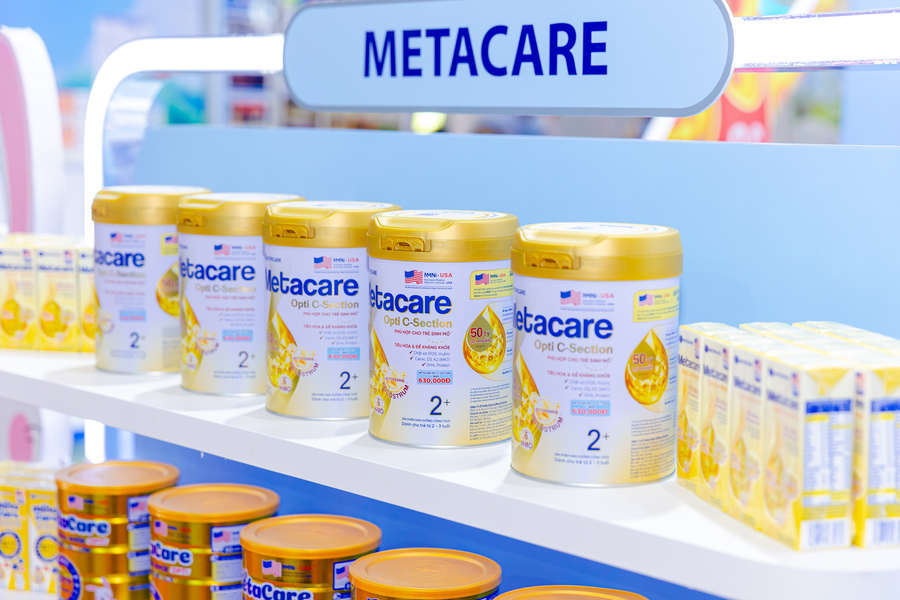
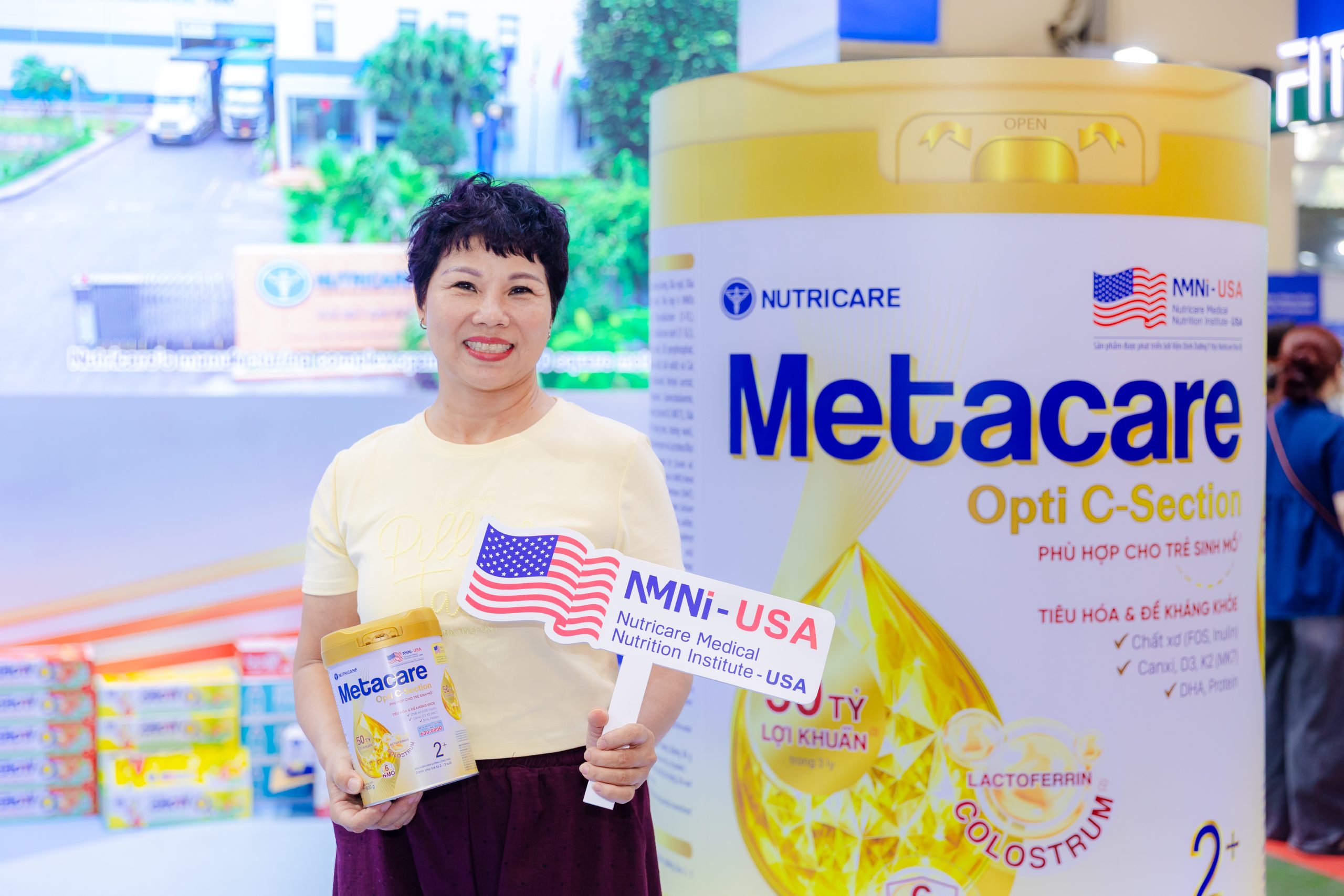
Metacare Opti C-Section – nutrition for children born by C-section
(Dan tri) – Children born by C-section may have a different start in the development of their gut microbiota, which can affect digestive and immune health during the early years of life. Statistics from the Ministry of Health show that the C-section rate in Viet Nam increased 3-fold over the past 15 years. Differences in […]
Nutricare brings science-based nutritional solutions to Vietnam Dairy 2026
(Cong Thuong) – Nutricare’s booth attracted large crowds of visitors thanks to a range of nutritional solutions that apply advanced technology and are personalized for each target group. At the Vietnam Dairy 2026 International Exhibition on Milk and Dairy Products held in Ha Noi, Nutricare’s booth attracted large crowds of visitors thanks to a range […]