Children born by C-Section: Early-life challenges and nutritional solutions to address deficiencies
(Dan tri) – Regardless of how a child is born, every parent hopes their child will have a healthy start for well-rounded development. For children born by C-section, however, that journey may come with distinct challenges involving digestion and immunity. Therefore, in addition to encouraging breastfeeding, nutrition experts continue to explore and apply research advances […]
(Dan tri) – Regardless of how a child is born, every parent hopes their child will have a healthy start for well-rounded development. For children born by C-section, however, that journey may come with distinct challenges involving digestion and immunity.
Therefore, in addition to encouraging breastfeeding, nutrition experts continue to explore and apply research advances concerning the composition and natural protective mechanisms of breast milk—the gold standard in infant nutrition—to develop solutions that better support the specialized nutritional needs of children born by C-section.

Children Born by C-Section and Immune-System Challenges
According to the World Health Organization (WHO), the C-section rate has risen rapidly in recent years, accounting for approximately 21% of all births and projected to reach 29% by 2030.
Alongside this trend, a growing body of research indicates that the mode of birth is not merely an obstetric intervention; it may also create significant differences in how a child’s immune system is established from the earliest stage of life.
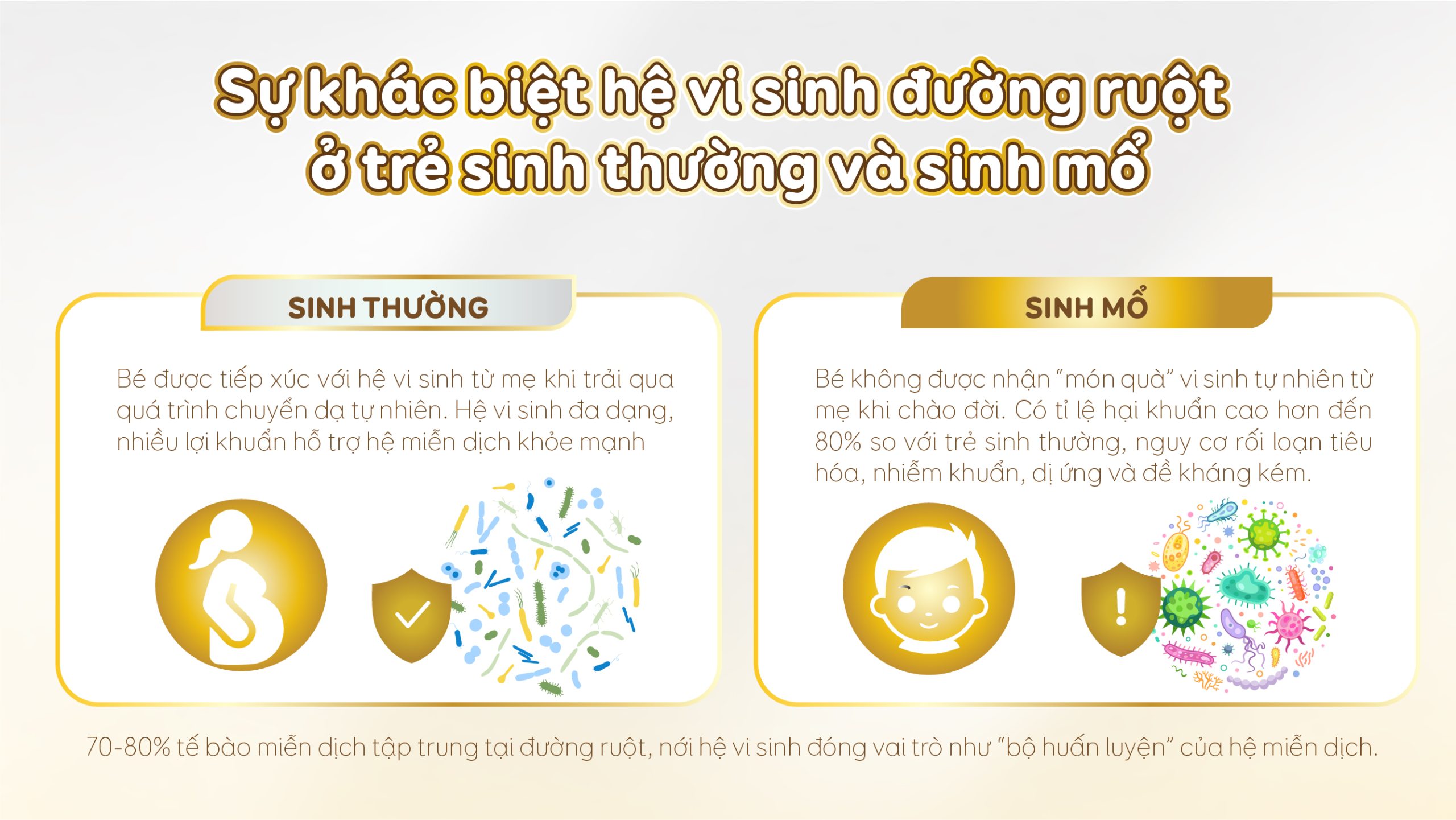
Unlike vaginally born children, who are exposed to beneficial maternal microorganisms while passing through the birth canal, children born by C-section miss this important physiological step, a foundational factor in establishing a healthy gut microbiota.
The difference emerges from the earliest stage of life: children born by C-section have been found to show a significant reduction in important beneficial bacteria such as Bifidobacterium, while having an 80% higher proportion of harmful bacteria than vaginally born children. As a result, their gut microbiota tends to develop in a less favorable direction.
Meanwhile, 70–80% of the body’s immune cells are concentrated in the gut. It is regarded as an “immune training center,” where the microbiota helps the body learn to distinguish beneficial from harmful agents. Disruptions in the establishment of the microbiota therefore expose children born by C-section to risks of respiratory infections, digestive disorders, allergies, and other immunity-related problems.
Breast Milk – A foundational source of nutrition supporting immunity
In view of the immune and digestive challenges faced by children born by C-section, early nutritional support plays a particularly important role in “making up for” early-life deficiencies. Breast milk is considered the gold standard because it contains hundreds of valuable bioactive compounds that help shape the gut microbiota and support immune-system development.
One of the notable components of breast milk is human milk oligosaccharides (HMOs), the third most abundant macronutrient after lactose and lipids, with more than 200 structures identified.
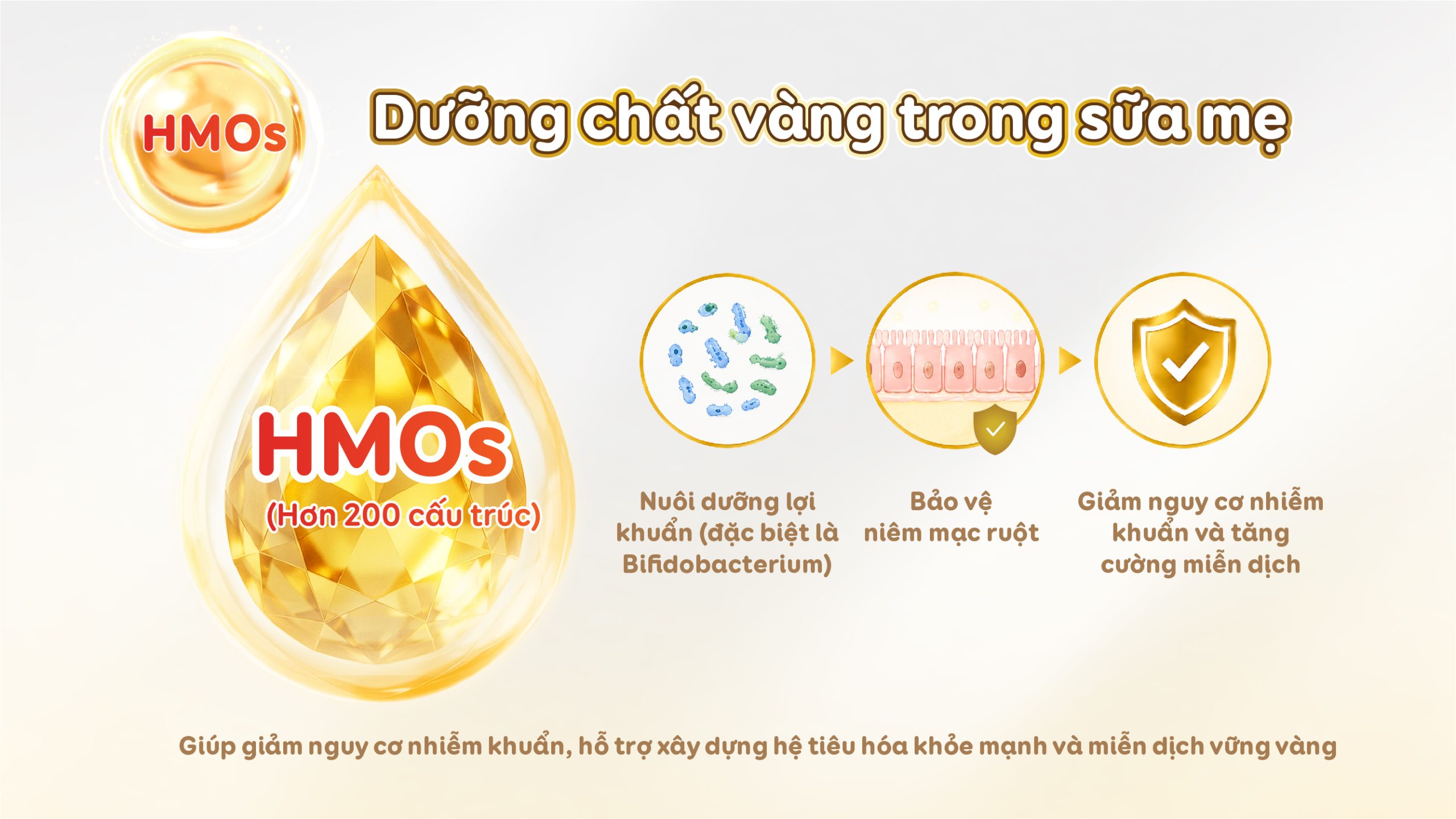
A distinctive feature of HMOs is their ability to act as a source of “selective nourishment” for important beneficial bacteria such as Bifidobacterium, thereby helping balance the microbiota and reinforce the body’s natural protective barrier. At the same time, numerous studies also indicate that HMOs help reduce the risk of infection and support healthy immune development.
Because children born by C-section are prone to deficiencies in beneficial bacteria and an imbalanced microbiota early in life, access to HMO-rich nutrition is considered an important solution that helps strengthen the foundation for healthy digestion and immunity throughout long-term development.
Metacare Opti C-Section – A nutritional solution supporting healthy digestion and immunity in children born by c-section
Nutricare and the Nutricare Medical Nutrition Institute, USA (NMNI-USA) have successfully researched and developed Metacare Opti C-Section formula nutrition with six added HMOs to help address deficiencies in children born by C-section and support healthy digestion and immunity.
Metacare Opti C-Section contains a high level of six HMOs—2,000 mg per 100 g of powder—representing three structural groups similar to the HMOs in breast milk: fucosylated, non-fucosylated, and sialylated HMOs, each of which plays a distinct role in establishing the microbiota and supporting immunity.
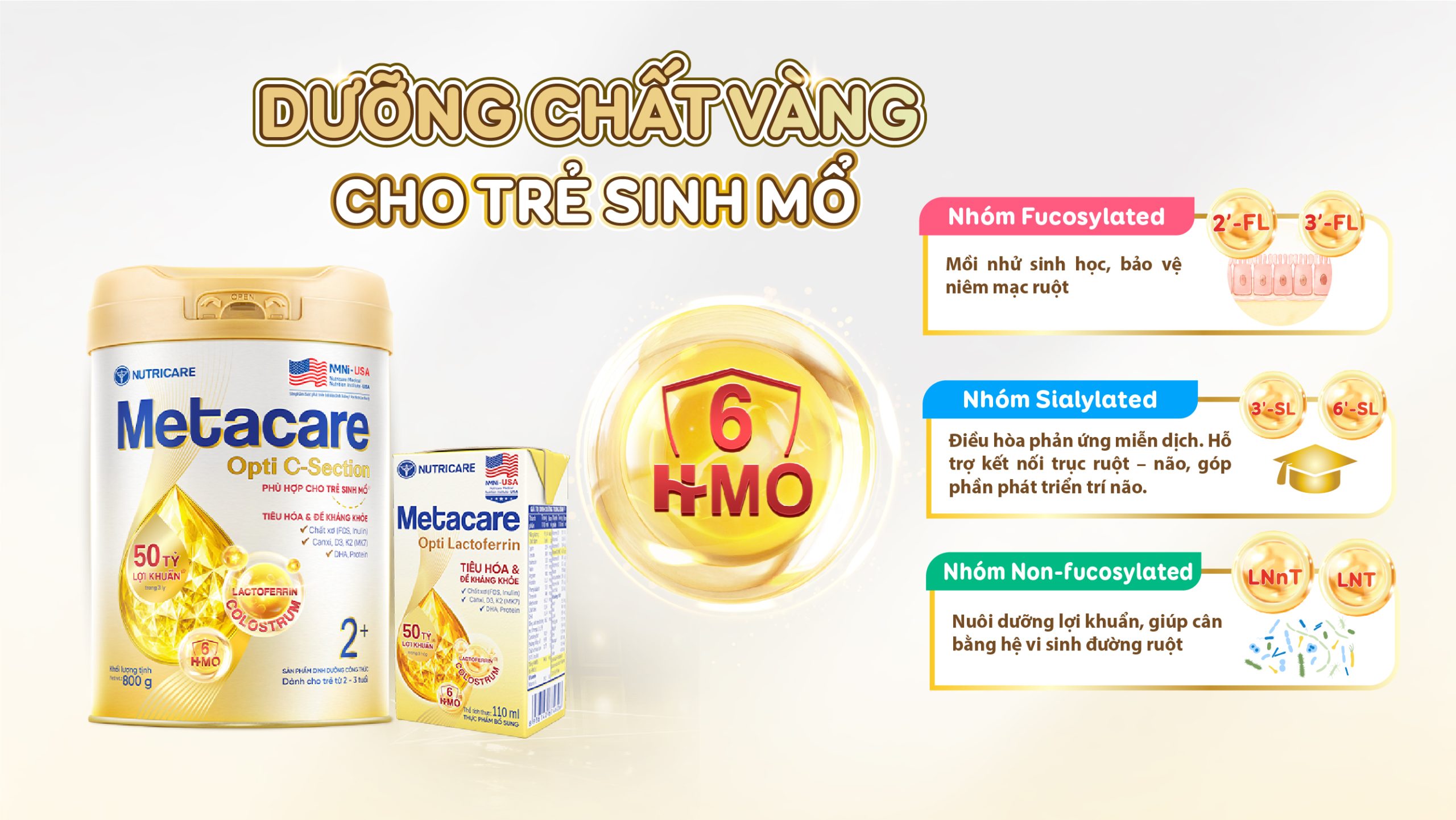
Fucosylated HMOs, represented by 2′-FL and 3-FL, have been recognized for their ability to act as “biological decoys,” helping limit the adhesion of pathogens to the intestinal mucosa. Sialylated HMOs such as 3′-SL and 6′-SL play a role in immune regulation, support the mucosal barrier, and provide sialic acid for brain development.
Meanwhile, non-fucosylated HMOs such as LNT and LNnT serve as selective substrates that nourish beneficial bacteria, especially Bifidobacterium, thereby helping establish a balanced and healthy gut microbiota.
Combining all three HMO groups broadens the range of biological effects, providing more comprehensive support than focusing on a single mechanism.
According to Dr. David Clark, Director of the Nutricare Medical Nutrition Institute, USA (NMNI-USA): “The six HMOs in Metacare Opti C-Section are considered an approach that more closely reflects the natural diversity of HMOs in breast milk and are particularly suitable for children born by C-section, who are often at risk of delayed establishment of the microbiota and immune foundation early in life.”
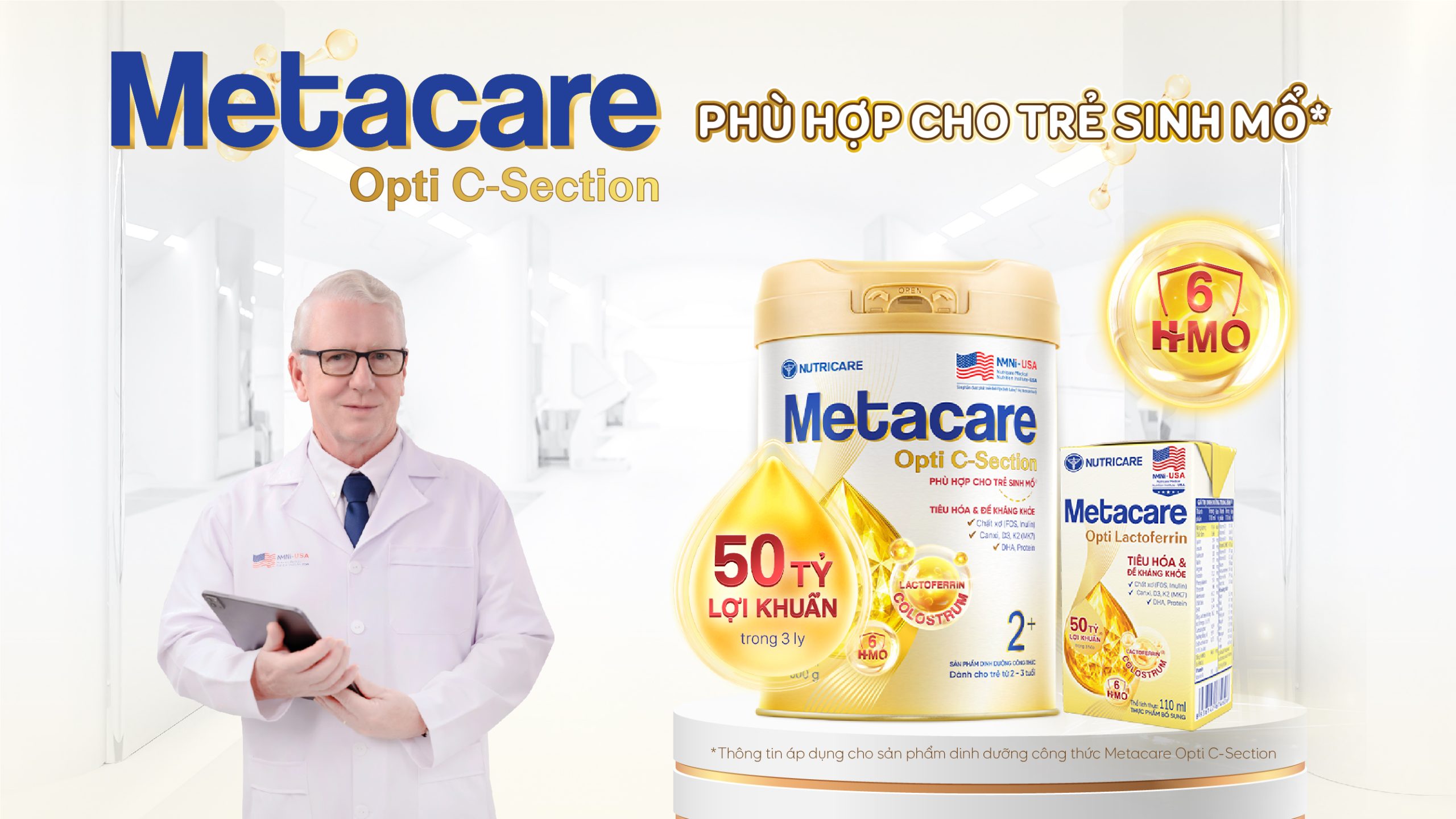
In addition to six HMOs, Metacare Opti C-Section combines two protective nutrients: colostrum, which provides antibodies directly, and lactoferrin, which helps strengthen immunity effectively. The product features a breakthrough formula with 50 billion Postbiotic cells (the minimum number of Postbiotic cells in three servings of Metacare Opti C-Section prepared as directed or three 110 ml cartons), combined with fiber to help balance the gut microbiota, support healthy digestion, and reduce constipation.
Given their differences in immunity and microbiota, children born by C-section need a suitably designed nutritional solution that meets their distinct nutritional requirements. Developed on the foundation of modern nutritional science, the Metacare Opti C-Section formula is expected to open a more personalized approach, supporting healthy digestion and stronger immunity in children born by C-section aged two and older.



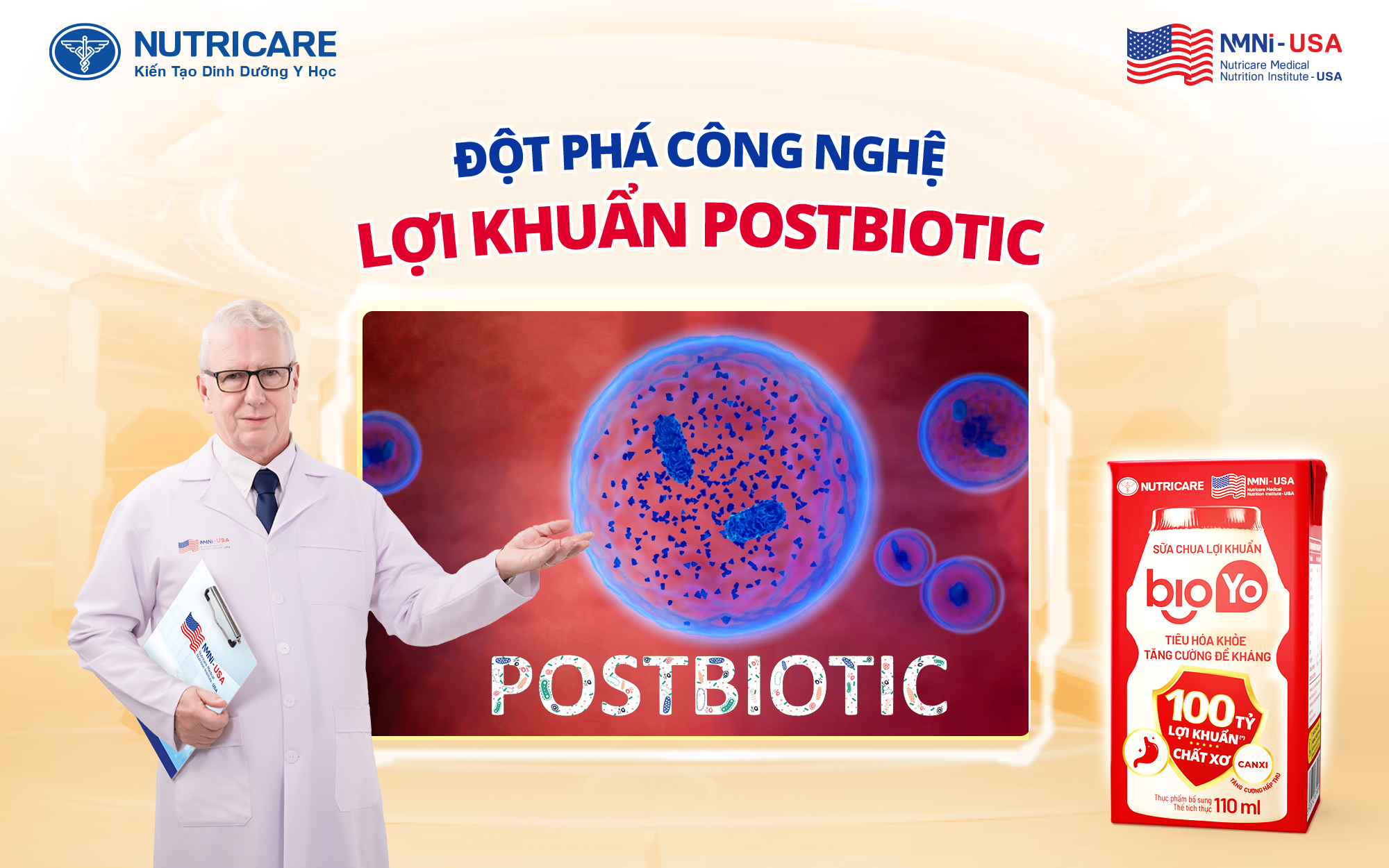
Bioyo Yogurt Drink Uses 100 Billion Postbiotic Cells to Support Healthy Digestion and Strengthen Immunity
(Afamily) – The trend toward proactive healthcare is placing increasing emphasis on protecting gut health and reinforcing the body’s natural immune barrier. Among emerging solutions, the new-generation Postbiotic Lactococcus lactis Plasma (LC-Plasma) is attracting attention for its high stability and effective immune-supporting properties. Applying this technology, Nutricare and the Nutricare Medical Nutrition Institute, USA (NMNI-USA) […]
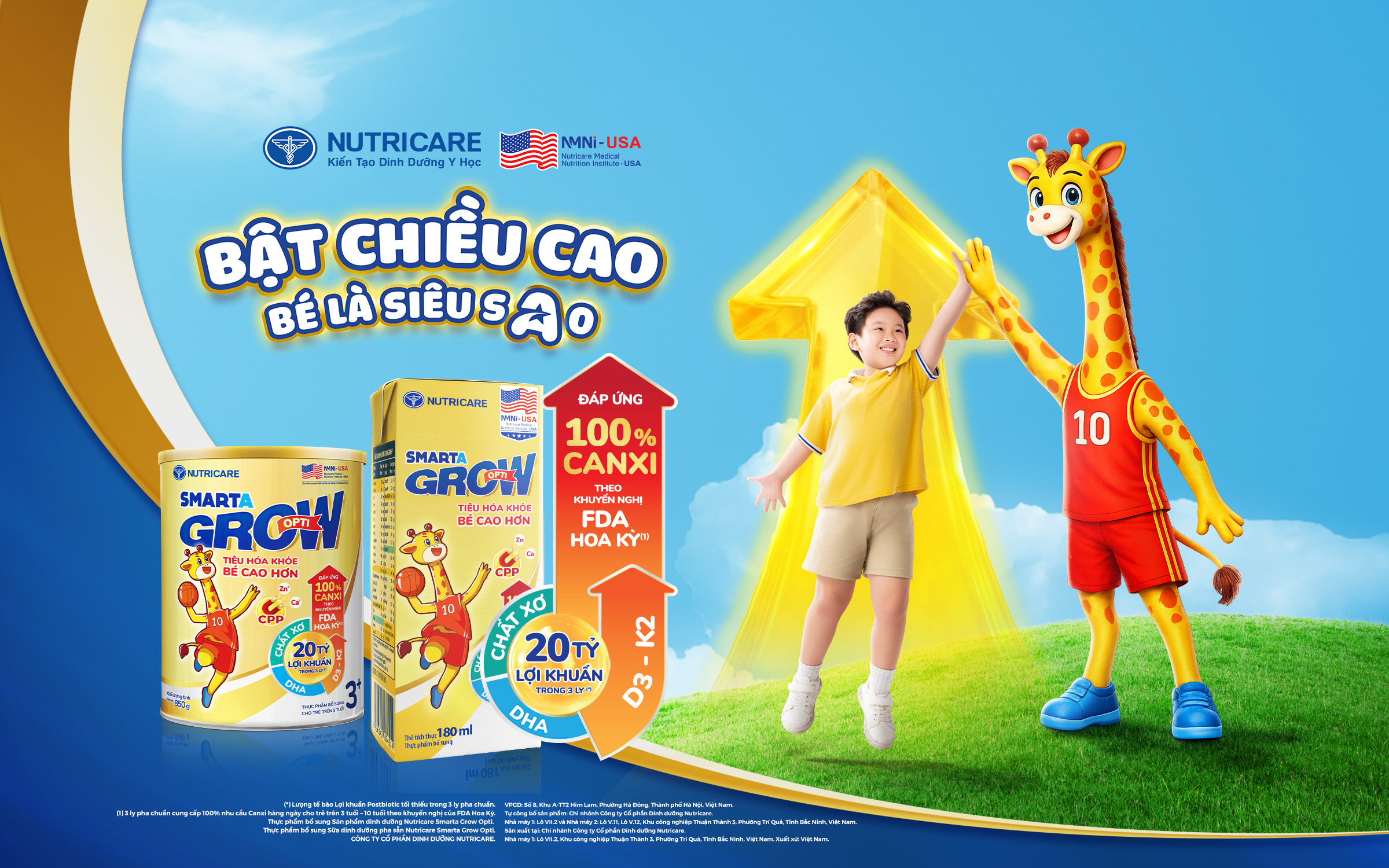
The “Generation 4” era in Smarta Grow Opti: A breakthrough nutrient system that helps boost height and make children “superstars”
(Eva.vn) – Instead of focusing only on providing large amounts of calcium to support children’s height development, modern nutritional science is entering a new stage: optimizing the body’s ability to absorb and use calcium to promote more effective height growth. Applying this trend, the new Nutricare Smarta Grow Opti was developed with a breakthrough “Generation […]

New Nutricare Smarta Grow Opti supports digestion and height development
(Dantri) – The Nutricare Medical Nutrition Institute – USA (N MNI-USA) has launched the new Nutricare Smarta Grow Opti, a product fortified with nutrients that help children grow taller and support a healthy digestive system for optimal nutrient absorption. Increasing children’s height: More than just calcium supplementation According to data from Our World in Data, […]
Say goodbye to short stature – Boost height and make your child a “superstar” with Nutricare Smarta Grow Opti
(Afamily) – According to UNICEF, roughly the first 1,000 days of life are the “golden period” that determines the foundation for a child’s physical growth and future height. This is also when children need a full supply of nutrients to build a foundation for comprehensive, long-term development. A healthy digestive system – An important foundation […]
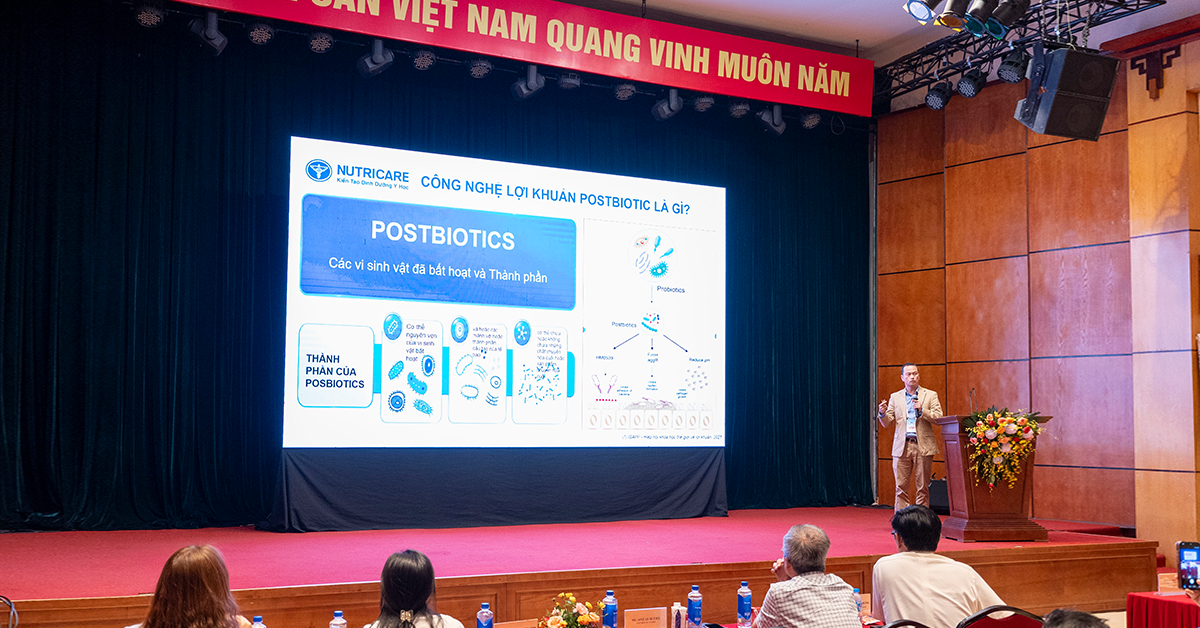
Decoding the power of Lactis Postbiotic in Bioyo with 100 billion beneficial bacteria
(Vietnamnet) – Summer is a time when young children are more susceptible to respiratory and digestive problems. In response, nutritional products applying postbiotic technology are becoming a trend chosen by many parents to support children’s overall health. Postbiotics – A scientific advance that helps strengthen immunity For many years, probiotics (live beneficial bacteria) have been […]
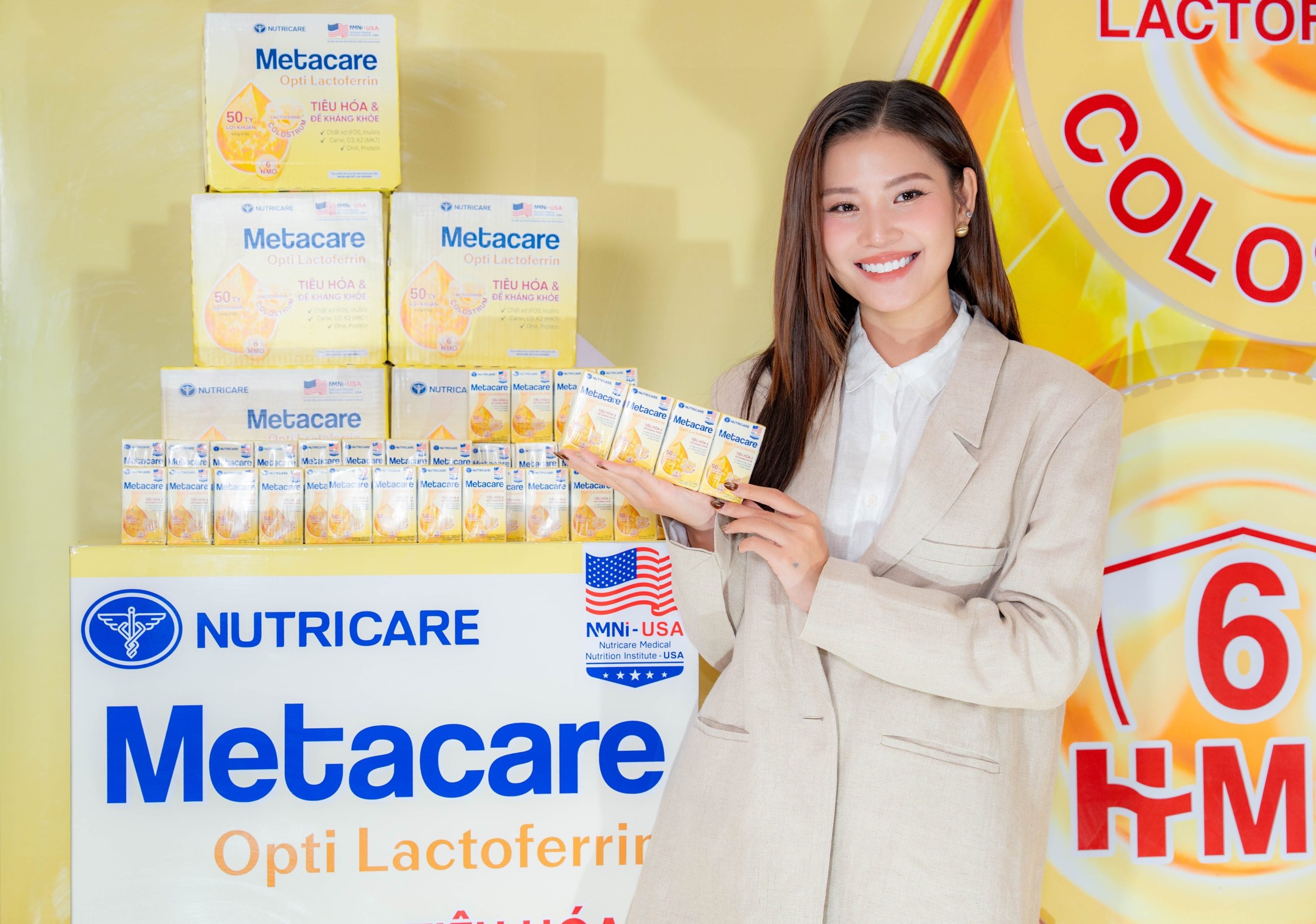
Metacare Opti C-Section – nutrition for children born by C-section
(Dan tri) – Children born by C-section may have a different start in the development of their gut microbiota, which can affect digestive and immune health during the early years of life. Statistics from the Ministry of Health show that the C-section rate in Viet Nam increased 3-fold over the past 15 years. Differences in […]
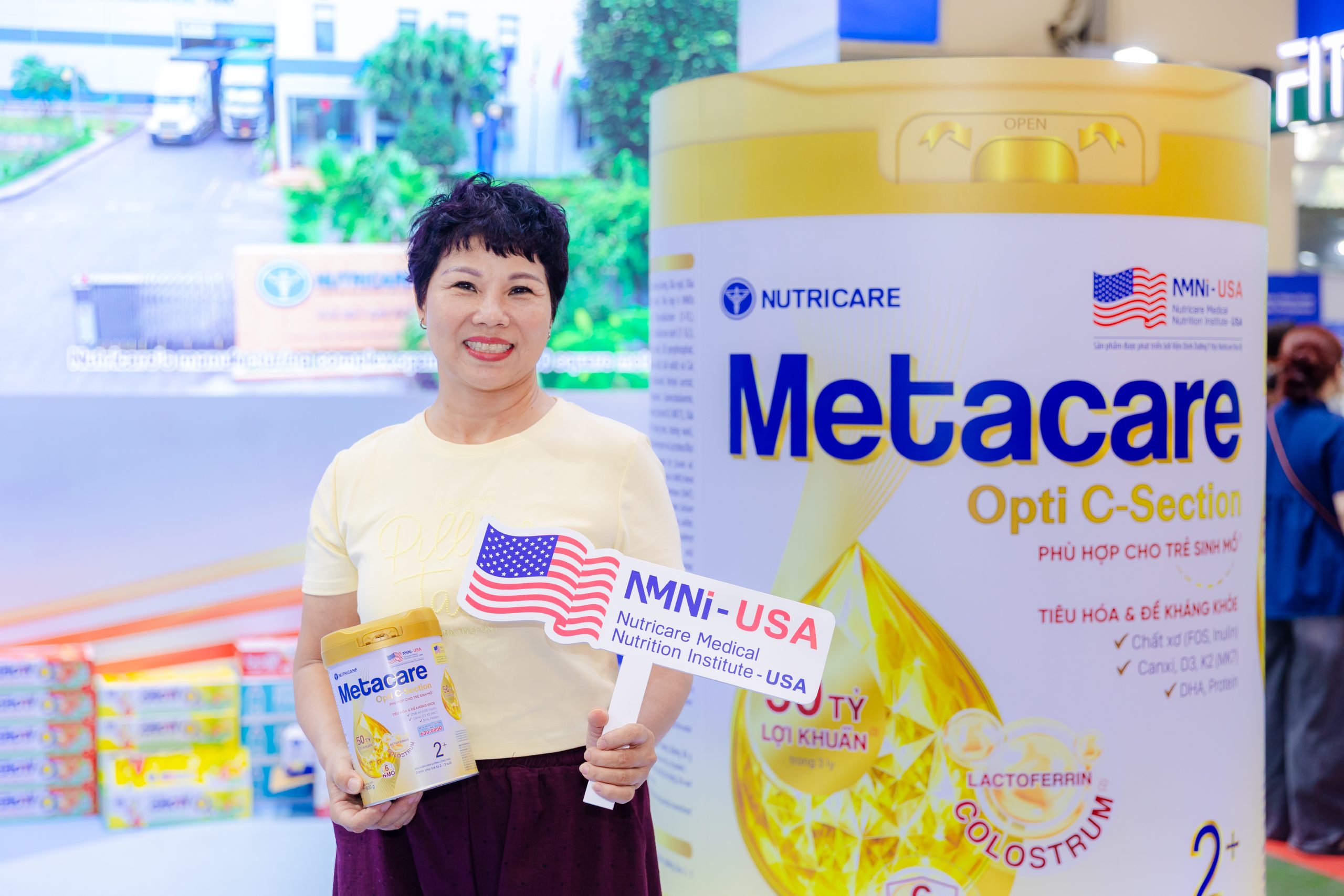
Nutricare brings science-based nutritional solutions to Vietnam Dairy 2026
(Cong Thuong) – Nutricare’s booth attracted large crowds of visitors thanks to a range of nutritional solutions that apply advanced technology and are personalized for each target group. At the Vietnam Dairy 2026 International Exhibition on Milk and Dairy Products held in Ha Noi, Nutricare’s booth attracted large crowds of visitors thanks to a range […]
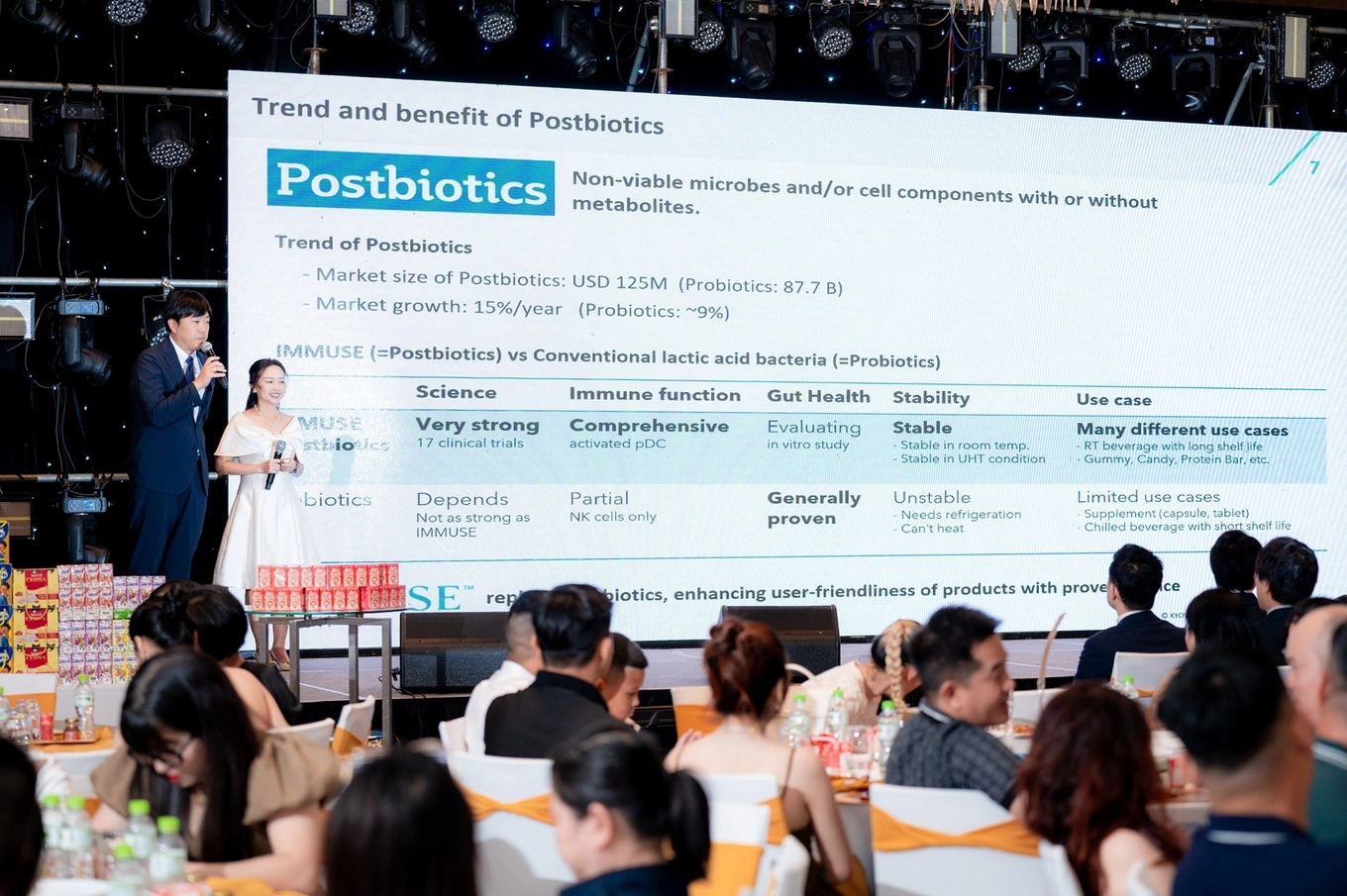
Nutricare organizes conference on Nutrition for C-Section babies, bringing together many reputable experts
(SKĐS) – From 7/5 to 9/5/2026, in Hung Yen, Ho Chi Minh City, and Da Nang, Nutricare, in collaboration with the Nutricare Medical Nutrition Institute – USA (NMNI-USA), successfully organized a customer conference combined with the scientific symposium “C-Section Babies – A different start and 6-HMO nutrients innspired by breast milk.” The event took place […]